Mixed-use projects in Las Vegas sell a story in layers: retail at the street, residences above, parking and access that have to make sense on a map. When you are marketing a pad, a vertical stack, or a phased site to investors and tenants, mixed use development photography has to show how those pieces connect—not just how the render looks on a slide deck.
At RCR Digital, we shoot commercial and development work across the valley with the same practical brief every time: clear context, honest light, and media that brokers and developers can drop into OM packages, websites, and investor updates without rewriting the caption. This guide focuses on photography for mixed-use developments. Vacant land photography shows up as support when the site is still dirt, entitled, or early vertical—not as a retread of standalone residential lot marketing.
What mixed use development photography needs to show
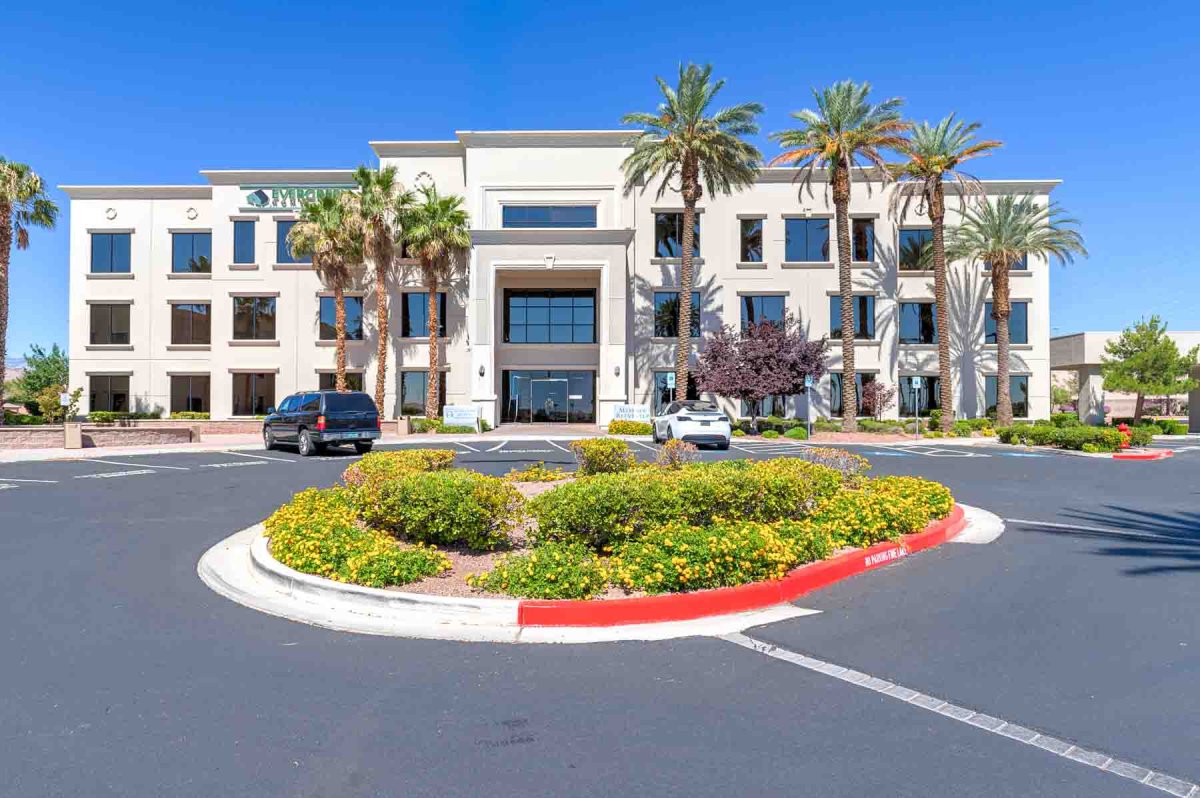
A mixed-use site is not a single-family listing and it is not a finished office tower either. Buyers and leasing teams care about adjacency, access, and how the program sits in the block. Strong coverage usually includes:
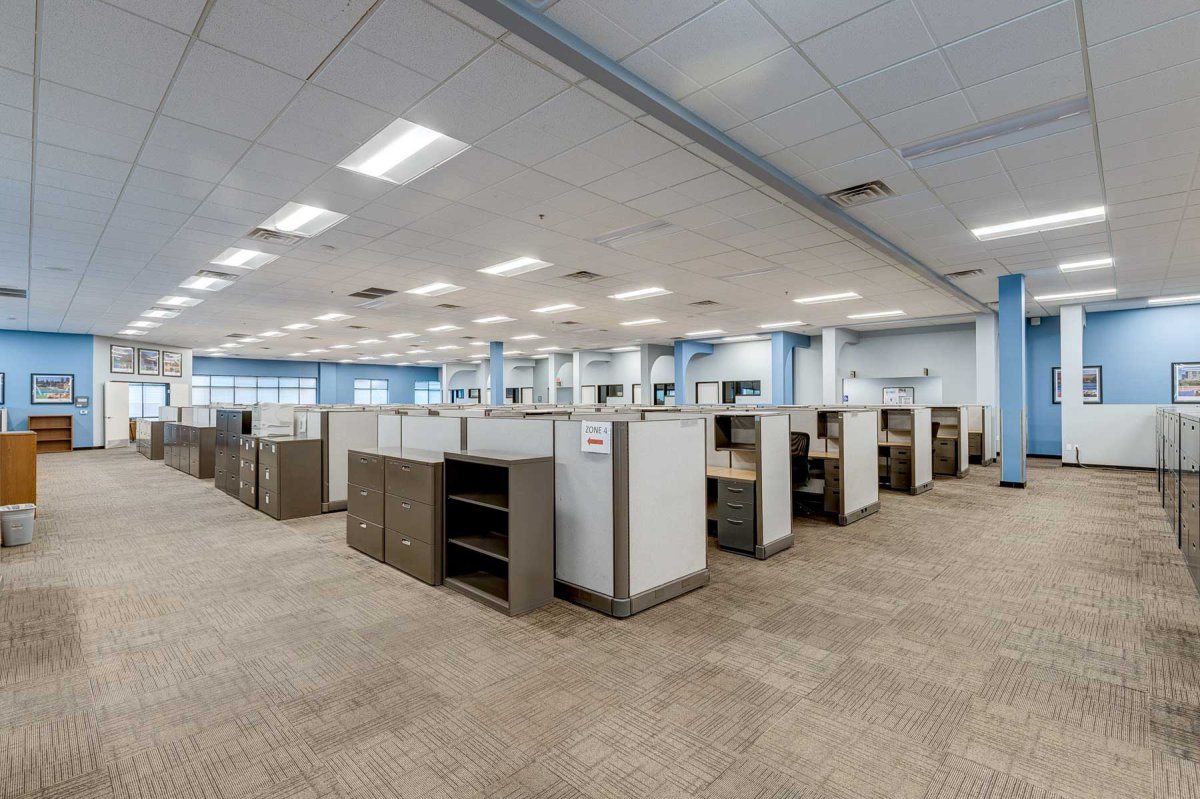
Las Vegas light is hard at midday. For exterior development work we prefer early morning or late afternoon when shadow defines form and glass does not blow out. Interior amenity or sales-gallery work is scheduled separately when the project is far enough along that those spaces exist.
Who this media is for in the Las Vegas market
Developers use mixed use development photography for capital raises, lender packages, and construction progress that still needs to look professional. Commercial brokers use it when they are leasing ground-floor retail or marketing condo/apartment inventory against competing projects in Summerlin, Henderson, downtown, and the Strip-adjacent corridors.
The brief changes by phase. Pre-vertical, you lean on aerials, site plans overlaid carefully in the deck (not faked into the photo), and surrounding context. Mid-build, you document structure, crane activity, and how the envelope is reading from the street. Near completion, you shift toward leasing-ready exteriors and amenity coverage. We plan the shot list with that phase in mind so you are not paying for frames you cannot use yet.
Where vacant land photography fits under a mixed-use brief
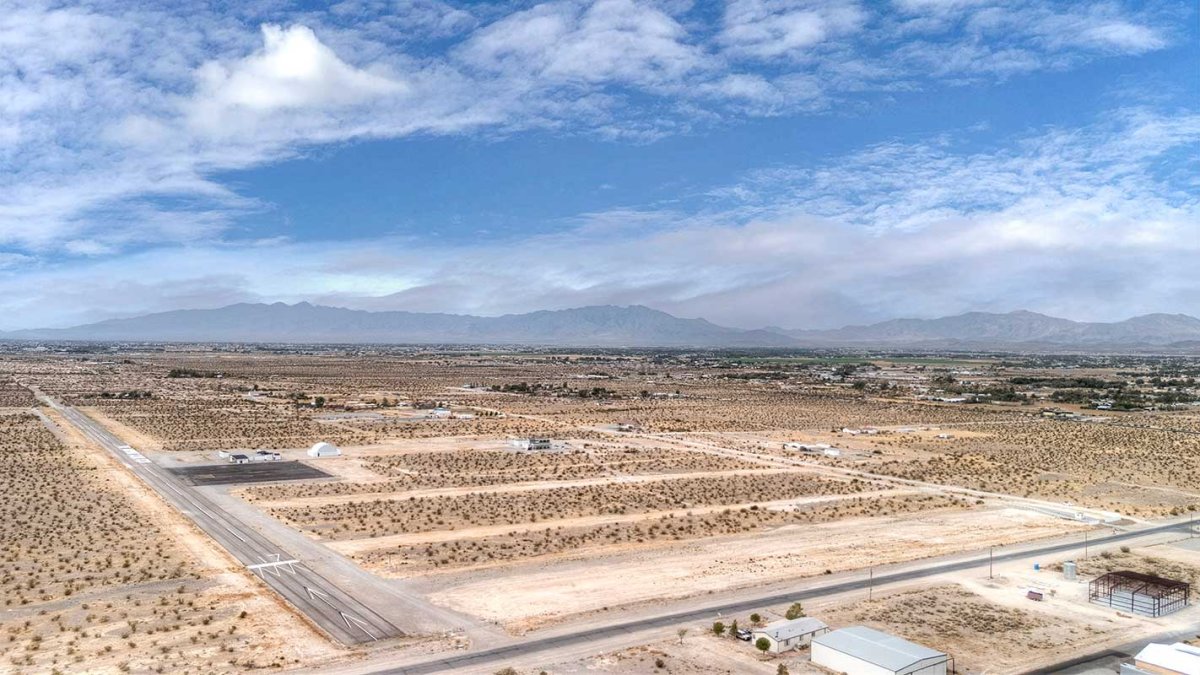
Before steel goes up, the asset is still land. Vacant land photography for a future mixed-use site is different from marketing a standalone residential lot: the goal is entitlement clarity, access, and how the parcel sits relative to demand drivers—not lifestyle drone B-roll of empty dirt for a homebuyer.
Useful pre-build frames often include:
If you only need standalone lot marketing for residential dirt, that is a different product conversation. For mixed-use pipelines, vacant land photography is the early chapter of the same visual record—raw land, entitled pad, then vertical—so investors see continuity instead of a random photo dump.
For a deeper look at residential vacant-lot drone media on its own, see our related post Selling the Dirt: Standalone Drone Media for Vacant Residential Lots in Las Vegas.
Practical shot planning for developers and brokers
Before we fly or walk the site, we ask a short set of questions: Who is the audience this week—lender, equity, tenant, or end buyer? What is built versus still dirt? Are there FAA or site-access limits? Do you need stills only, or stills plus short aerial clips for a digital OM?
From there we lock angles that match your site plan orientation so north is never a puzzle in the marketing package. We keep altitude and framing intentional; higher is not automatically better if it washes out the street relationship that retail tenants care about. On active construction sites we coordinate with the GC for safe positions and avoid shooting worker faces or unfinished interiors you are not ready to show.
Deliverables are typically web-ready JPEGs plus larger files for print or investor PDFs. Naming and folder structure stay simple so your marketing team can drop assets into the correct section of the OM without a scavenger hunt.
How this differs from pure commercial tower or corporate work
Single-asset office or industrial photography often centers on one building and its parking field. Mixed-use work has to communicate program mix and shared circulation. That means more context aerials, more street relationship frames, and more attention to how residential and commercial pieces share the podium. We are not trying to turn every shoot into a generic “corporate capture” package; the brief stays tied to how this project leases and sells in Las Vegas.
FAQ: Do I need vacant land photography if vertical is already up?
Usually no. Once the envelope reads clearly from the street and aerials, lean into mixed use development photography that shows massing, frontage, and amenities. Keep earlier vacant land frames in the archive for before/after storytelling if you still use them in investor updates.
FAQ: Can one shoot cover both land context and early vertical?
Often yes, if crane work and foundations are visible and weather cooperates. We still plan two altitude bands—wider context plus tighter massing—so the set works for both site marketing and progress documentation.
FAQ: How is this different from residential vacant-lot drone media?
Residential lot marketing targets homebuyers and lot brokers with lifestyle and lot-line clarity. Mixed-use vacant land photography supports entitlement, capital, and leasing narratives for a multi-program project. Same tools, different brief and audience.
If you are lining up mixed use development photography for a Las Vegas pad, podium, or near-complete project—and you need vacant land photography only where the site is still pre-vertical—reach out to RCR Digital with your site plan phase and audience. We will propose a focused shot list, not a generic package.