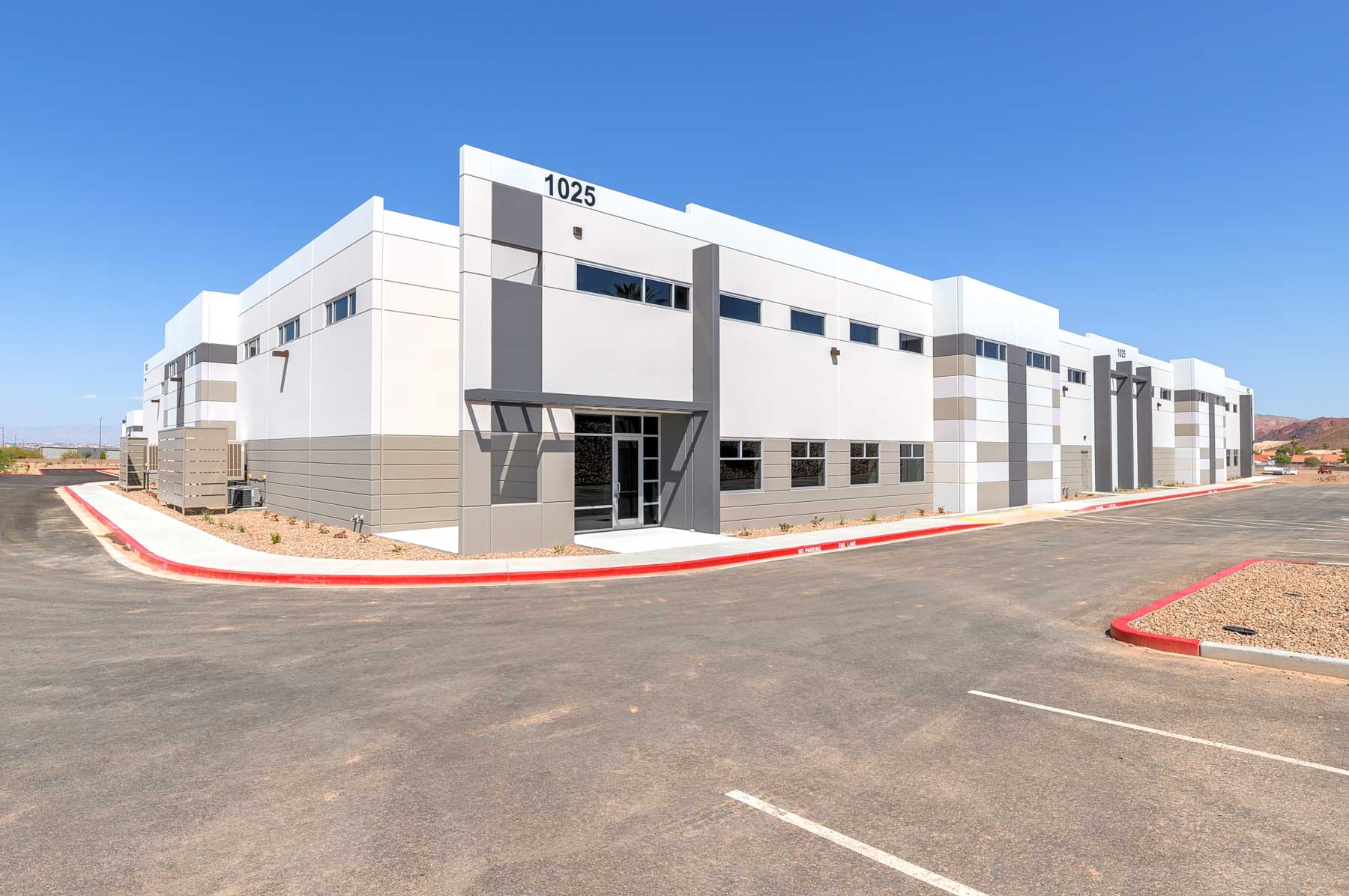
Two commercial buildings with similar square footage can require very different photo shoots. One may be an open warehouse with a small office. The other may be divided into individual offices, conference rooms, reception areas, and shared facilities. The amount of space matters, but so does the work required to explain it.
At RCRdigital, commercial shoots start at $125. Real estate photography prices are based on the property's square footage, the type of commercial building, and the coverage you actually need. Every job is custom quoted in an itemized format, so you know exactly what you are paying for and how much each item costs.
What the starting price tells you
A starting price is a starting point, not a promise that every building can be photographed for that amount. A limited assignment and a full-building marketing shoot are different scopes. The quote needs to reflect what is being photographed rather than applying one number to every office, warehouse, or retail property.
My aim is reasonable pricing for useful coverage. That means defining the assignment before committing to the shoot: which spaces matter, which exterior views are needed, and what the images are intended to explain. It also means leaving out work that adds little to the client's marketing.
Square footage is part of the quote, not the whole quote
Size helps establish the scale of the assignment. A larger building may involve more walking, more areas to cover, and more coordination. But square footage alone does not tell me how many distinct spaces need lighting and camera placement.
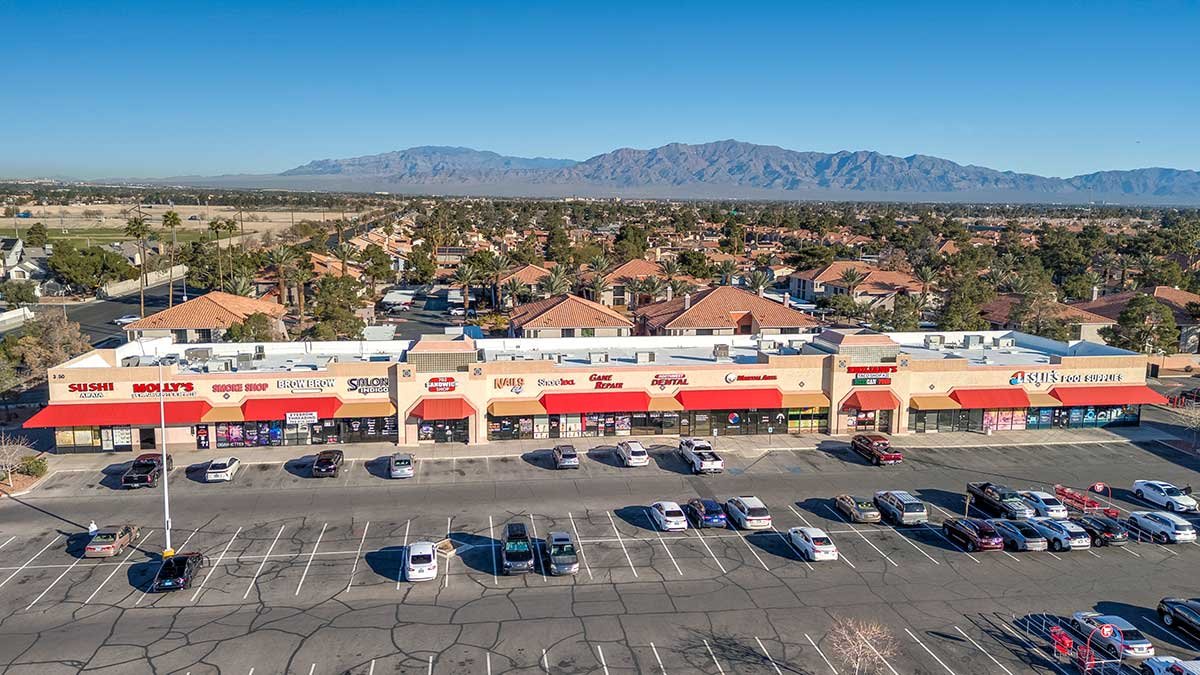
I also need to know whether the assignment covers the entire building or one available suite. An occupied property may have access restrictions. A mixed-use property may have several different functions to show. Those details affect the scope even when two buildings have similar dimensions on paper.
Why office space runs a little more than warehouse space
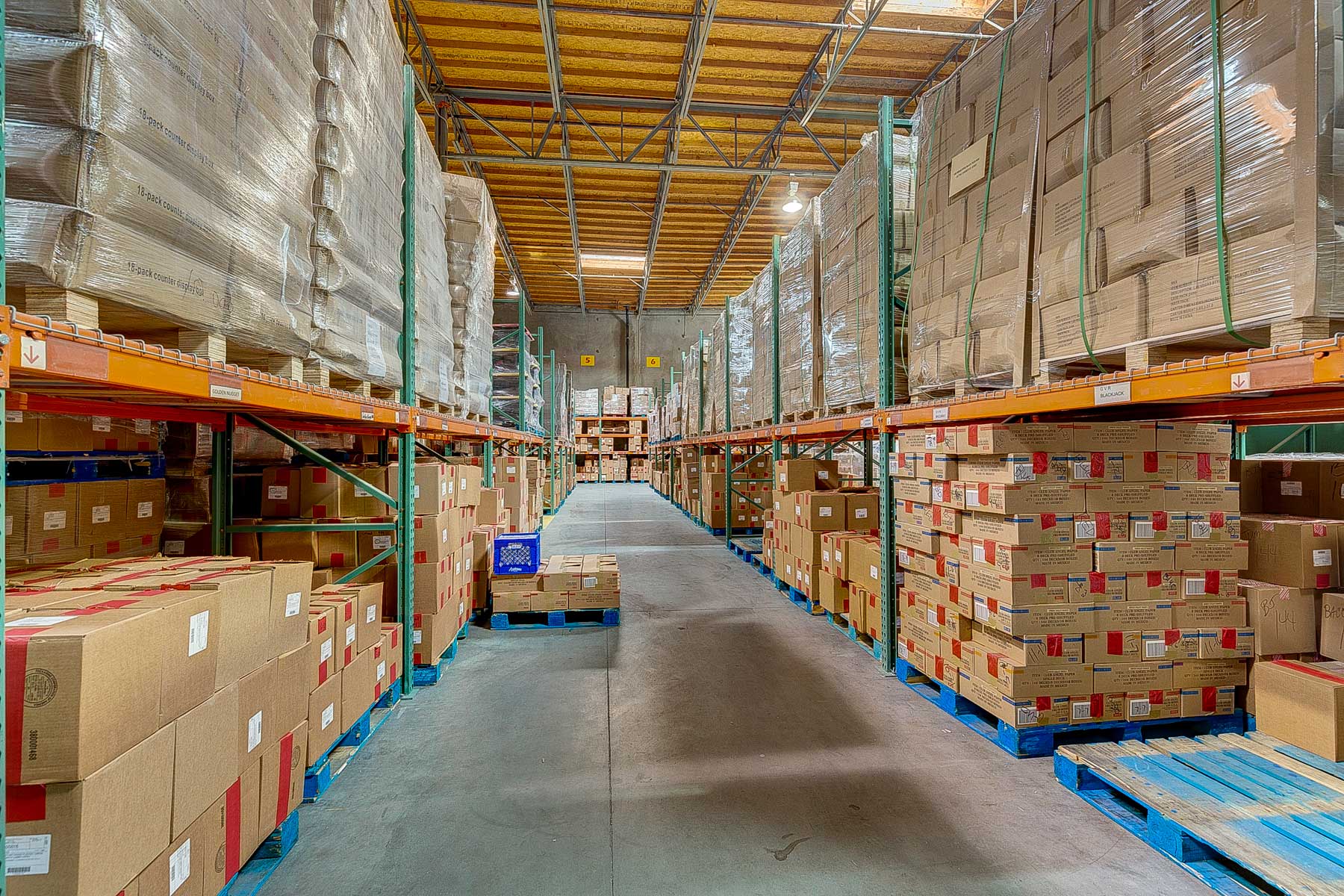
Office space will generally run a little more than warehouse space because warehouse space is more open. In an office, each separate room can require its own camera position, lighting decisions, and attention to what is visible through doors or reflected in glass.
An open warehouse often allows a few well-chosen views to explain a substantial area. That does not make every industrial assignment simple. A warehouse with significant office buildout, several operational areas, or extensive exterior coverage still needs a quote that accounts for those elements.
The point is not that one property type is more important than another. It is that dividing a building into many separate rooms changes the work. I quote the actual spaces and coverage, rather than treating every square foot as if it photographs the same way.
You do not have to photograph every similar room
To save time and money inside a building, we can avoid photographing redundant spaces. If a suite has several offices with essentially the same layout and finishes, photographing each one may add little useful information. A representative selection may tell the story clearly.
That selection should be deliberate. We should still show meaningful differences: a larger executive office, a conference room, a reception area, or an office with a different layout. Skipping repetition is not the same as hiding a condition or leaving the audience confused about what is offered.
- Group similar offices and choose representative examples.
- Include rooms that differ in layout, function, or finish.
- Keep important common areas and circulation spaces in the discussion.
- Identify any spaces the client specifically needs documented, even if they look similar.
For a broker's marketing gallery, representative coverage may be appropriate. If the assignment requires room-by-room documentation, say so. That is a different brief, and the quote should make that distinction clear.
What a custom, itemized quote should clarify
All jobs are custom quoted in an itemized format. You should be able to see what you are paying for and the amount attached to each item, rather than trying to guess what a general total includes. The scope and the price need to describe the same assignment.
Interior photography, exterior coverage, and any separately requested media should be discussed before the work is scheduled. If you are also considering aerials, video, or a virtual tour, identify those needs up front instead of assuming they are included in the still photos. This article concerns commercial still-photo quoting, not residential 3D-tour pricing.
If the scope changes, we can discuss the effect before adding work. An itemized approach makes it easier to keep the coverage focused on your priorities and to compare the proposed assignment with your actual marketing needs.
Briefing a real estate photographer in Las Vegas
Send the address, approximate square footage, building type, and whether the property is occupied or vacant. Identify the spaces available for photography, the intended use of the images, and any deadline. A floor plan or simple list of rooms can help explain the assignment.
Also tell me what you do not need. If only one suite is being marketed, say that. If several similar offices can be represented by a few examples, make that part of the conversation. For an overview of the service, see RCRdigital commercial property photography.
I use 15 years of experience to work through those practical choices with you. The objective is a clear set of commercial images and a quote you can understand, not the largest possible shot list.
FAQ
Do all commercial shoots cost $125?
No. Commercial shoots start at $125. Your custom quote depends on the building, square footage, and agreed coverage.
Can selecting fewer offices reduce unnecessary work?
Yes, when those offices are substantially similar and representative coverage meets the brief. Distinct spaces or required documentation still need to be considered.
Will I know what each quoted item costs?
Yes. Jobs are custom quoted in an itemized format so you can see exactly what you are paying for and how much each item costs.